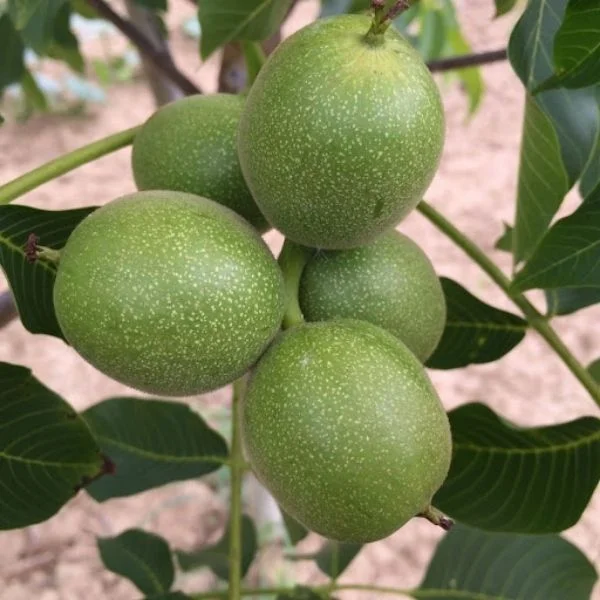
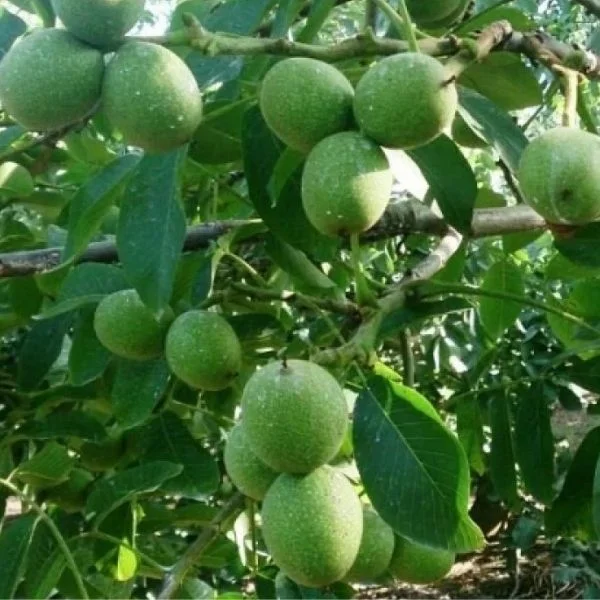
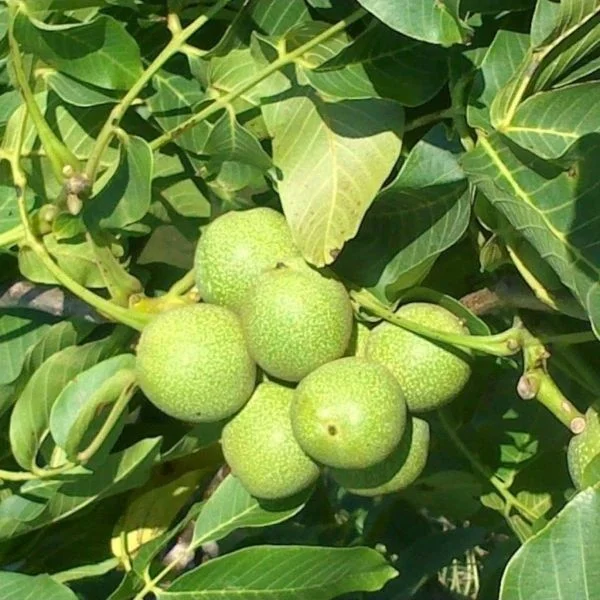
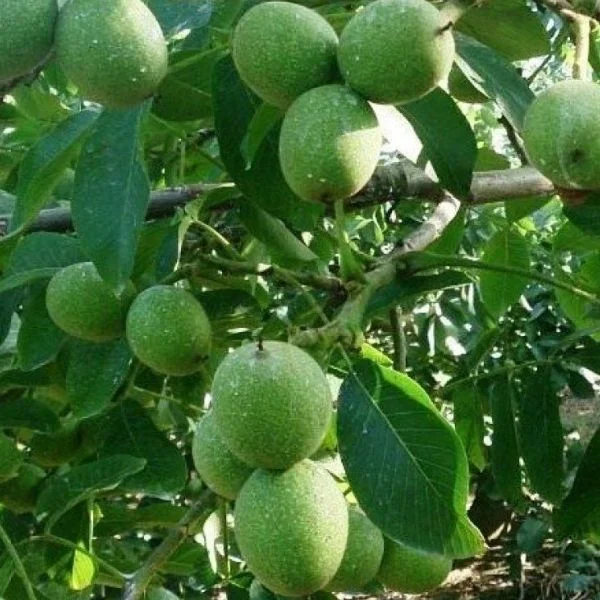
chandler ceviz fidani

Chandler Walnut Sapling

Chandler walnut saplings are a late-budding, productive, and high-quality walnut variety.

Stock Status: Available
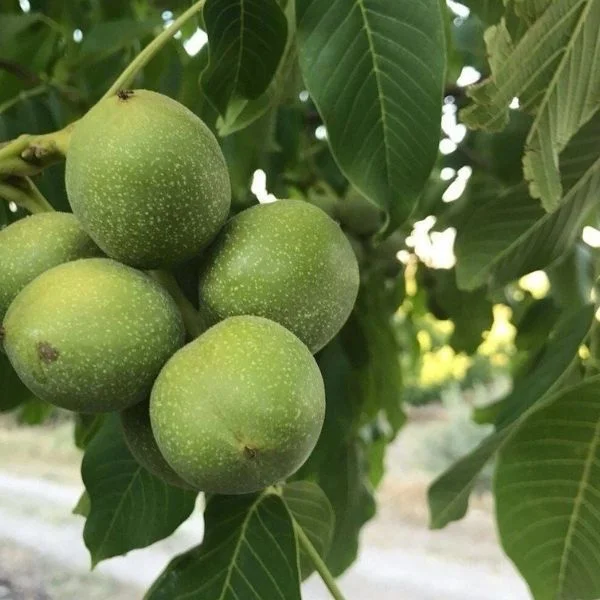
The Chandler walnut sapling is one of the most widely cultivated walnut varieties worldwide, especially in commercial walnut orchards. Its popularity is based on high yield potential, consistent nut quality, and suitability for modern orchard systems. For growers seeking long-term and market-oriented production, the Chandler walnut sapling is a reliable choice.

General Characteristics of Chandler Walnut Saplings

Chandler walnut saplings are known for their high lateral bearing capacity, meaning they produce nuts not only on main branches but also on side shoots. This characteristic significantly increases overall yield per tree.

The nuts are medium to large in size, with thin shells and light-colored kernels. These qualities make Chandler walnuts highly desirable in both domestic and international markets.

Climate and Regional Adaptation

One of the key advantages of the Chandler walnut sapling is that it is a late-leafing variety. This trait helps reduce the risk of damage from late spring frosts, making it suitable for regions where frost is a concern.

Chandler performs well in temperate and semi-continental climates. In hotter or drier regions, proper irrigation and orchard management are essential.

Soil Requirements

Chandler walnut saplings prefer deep, well-drained soils rich in organic matter. Heavy or poorly drained soils can negatively affect root development and tree growth. Conducting soil analysis before planting is strongly recommended.

Should Chandler Walnut Saplings Be Grafted?

For commercial walnut production, grafted Chandler walnut saplings are strongly recommended. Grafted saplings ensure genetic consistency, earlier fruiting, and uniform orchard development.

Ungrafted, seed-grown saplings do not guarantee the characteristics of the Chandler variety and are generally not suitable for commercial orchards.

Who Is It Suitable For?

Commercial walnut growers

Producers planning long-term orchard investments

Growers targeting high-quality walnut markets

While it can also be planted on a small scale, Chandler shows its full potential in professionally managed orchards.

Frequently Asked Questions

How long does it take for a Chandler walnut sapling to bear fruit?

Under proper growing conditions, grafted Chandler walnut saplings begin bearing fruit earlier than many other walnut varieties.

Can Chandler walnut saplings be grown in all regions?

No. Climate conditions, especially frost risk, should always be evaluated before planting.

Conclusion

The Chandler walnut sapling stands out for its productivity, nut quality, and commercial value. When planted in suitable regions and managed correctly, it offers stable and profitable production over many years.