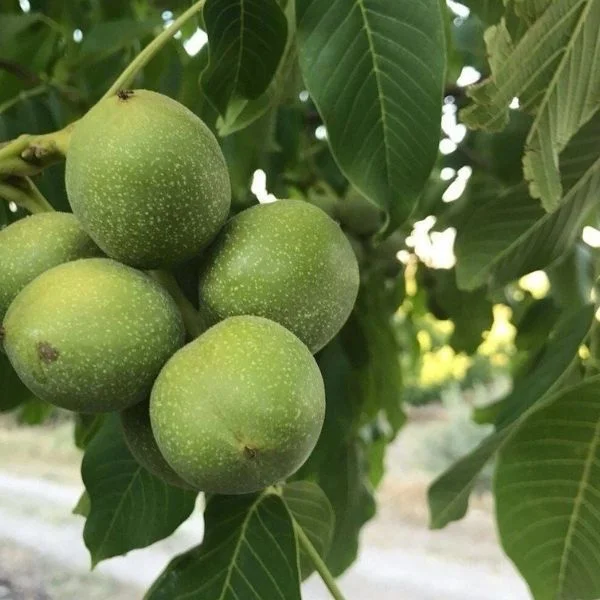
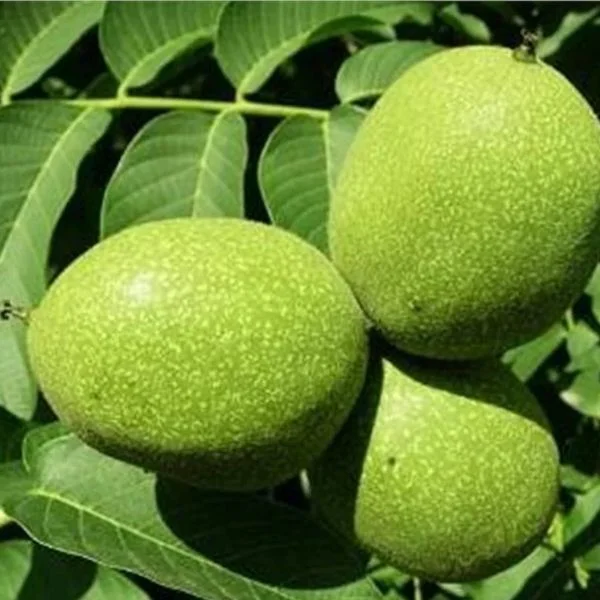
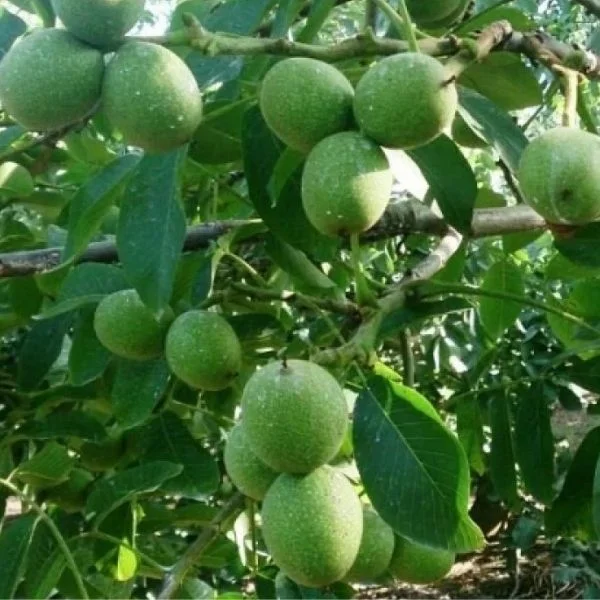
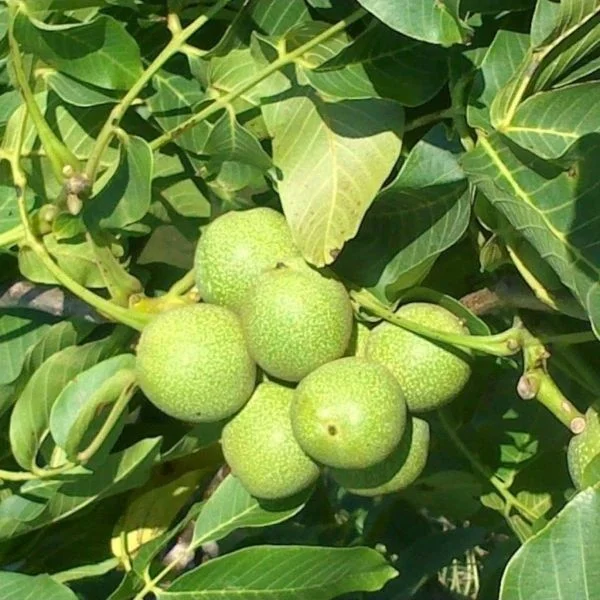
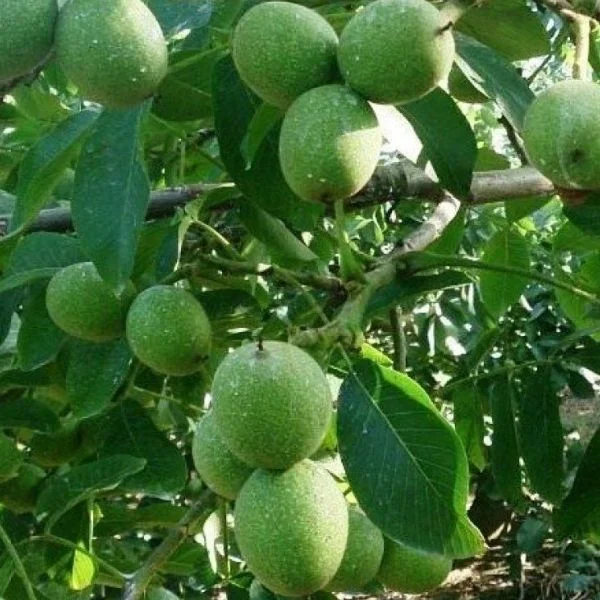
The Franquette walnut sapling is a classic and reliable walnut variety that has been cultivated worldwide for many years. Known for its strong tree structure, late leafing habit, and high nut quality, Franquette remains a preferred option for growers seeking durability and long-term orchard stability.
While modern walnut varieties focus on high lateral bearing, Franquette stands out for its resilience and consistent performance under suitable conditions.
General Characteristics of Franquette Walnut Saplings
Franquette walnut saplings develop a vigorous and upright growth habit with a broad canopy over time. Compared to modern varieties such as Chandler, lateral bearing is lower; however, the trees produce stable yields on main branches.
The nuts are medium-sized with strong shells and high kernel quality. Kernel color is light, and oil content is considered satisfactory, making Franquette suitable for quality-focused walnut production.
Climate and Regional Adaptation
Franquette is a late-leafing walnut variety, which helps reduce damage from late spring frosts. It is well adapted to regions with cold winters and continental climate characteristics.
The variety requires a relatively long and cool growing season. In regions with very hot summers or short growing periods, performance may decline. Therefore, regional suitability should be carefully evaluated.
Soil Requirements
Franquette walnut saplings perform best in deep, well-drained soils rich in nutrients. Poor drainage or heavy clay soils can negatively affect root development and overall tree health.
Conducting soil analysis before orchard establishment is strongly recommended.
Should Franquette Walnut Saplings Be Grafted?
For commercial walnut production, grafted Franquette walnut saplings are recommended. Grafted saplings ensure varietal consistency, balanced growth, and more predictable orchard performance.
Ungrafted, seed-grown saplings do not reliably express Franquette’s key characteristics.
•Farmers looking for a traditional alternative to modern walnut varieties
Frequently Asked Questions
How long does it take for Franquette walnut saplings to bear fruit?
Under proper growing conditions, grafted Franquette walnut saplings begin producing fruit in a regular and stable manner.
Can Franquette walnut saplings be grown in all regions?
No. Franquette performs best in cooler regions with longer growing seasons.
Conclusion
The Franquette walnut sapling is valued for its strong growth, late leafing habit, and consistent nut quality. When planted in suitable regions and managed correctly, it offers reliable and long-term walnut production.