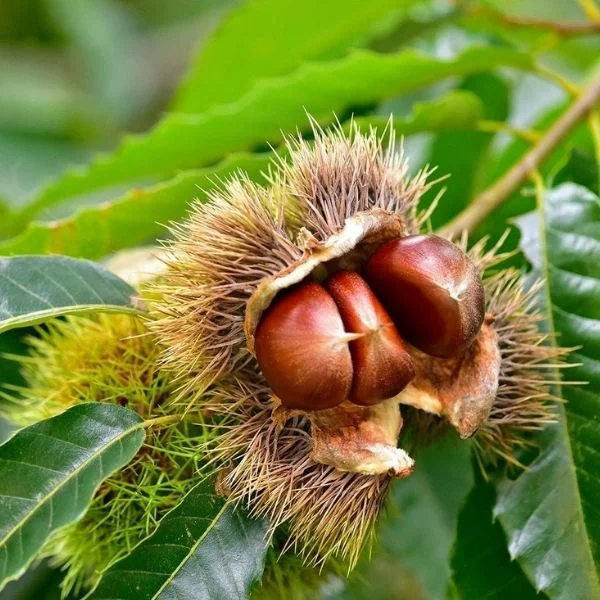
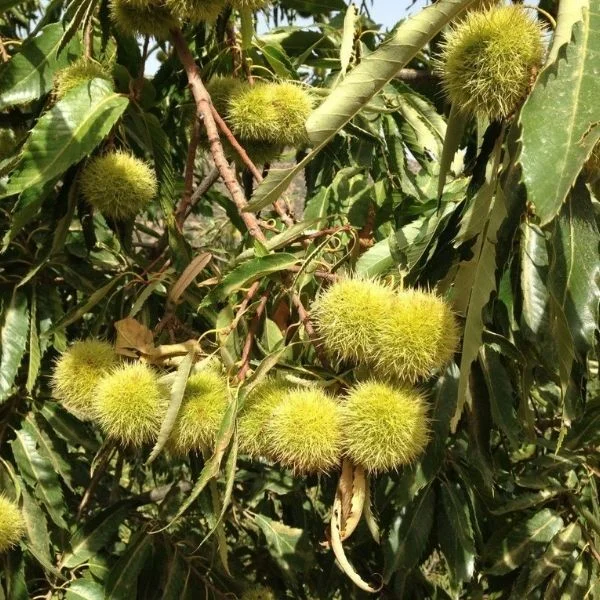
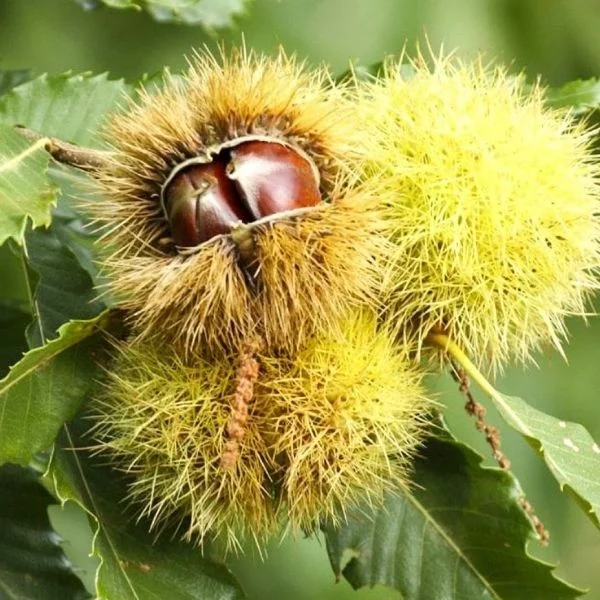
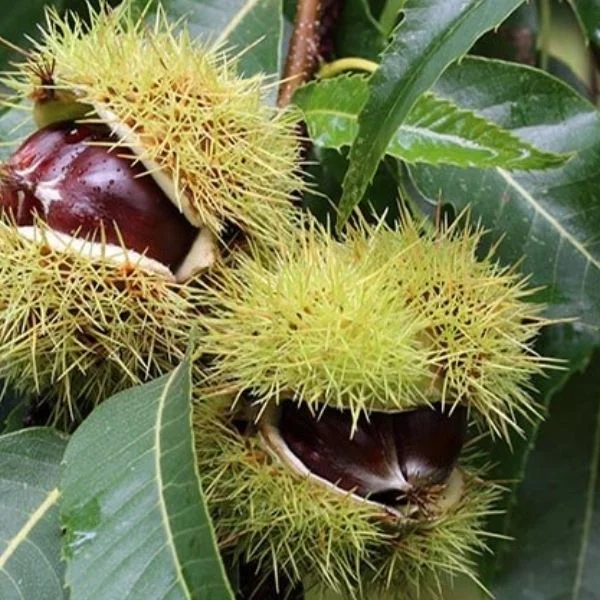
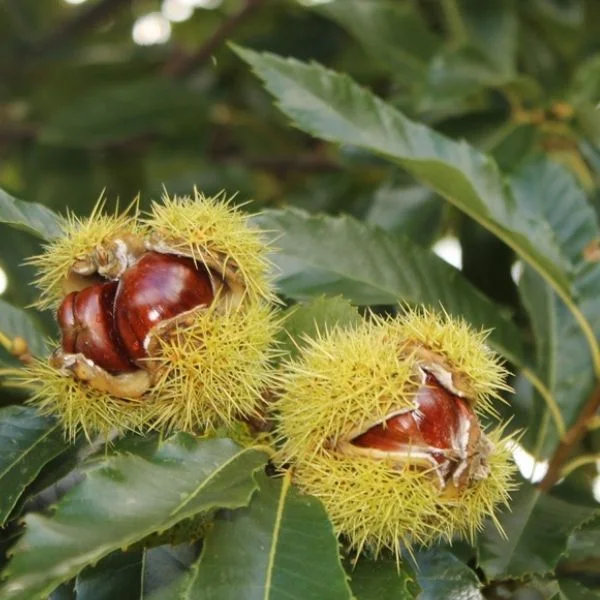
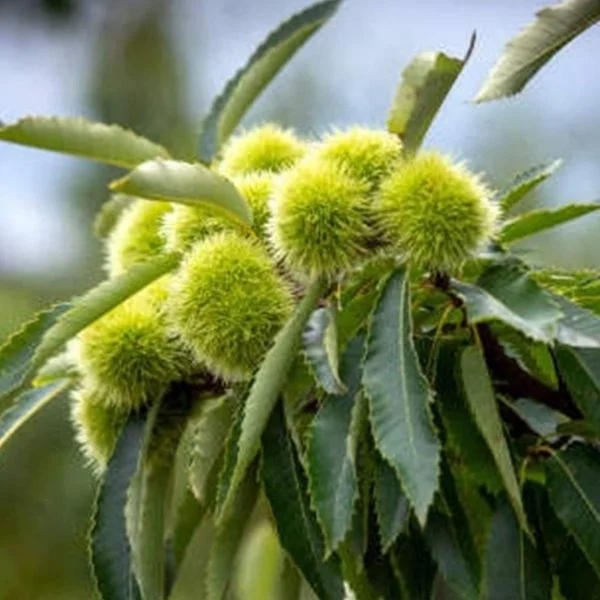
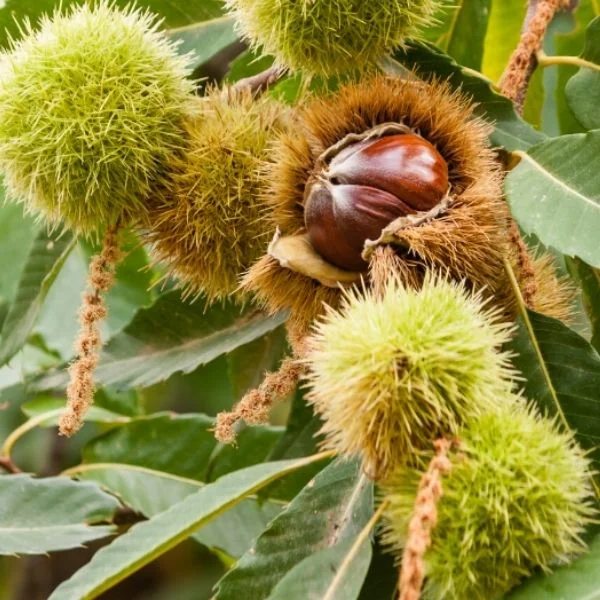
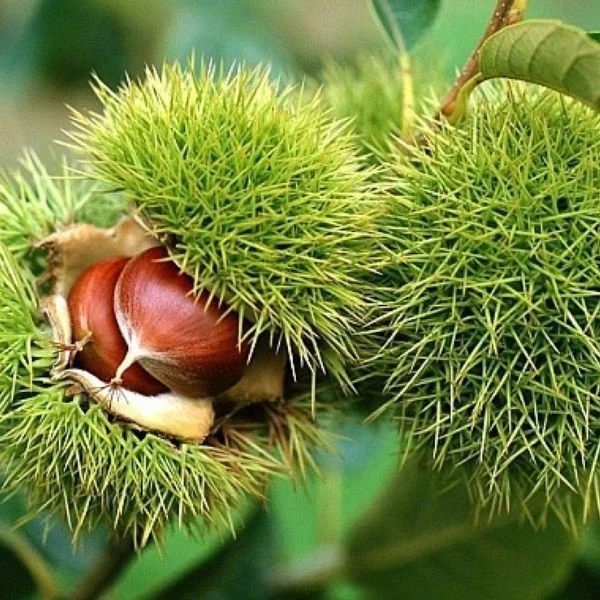
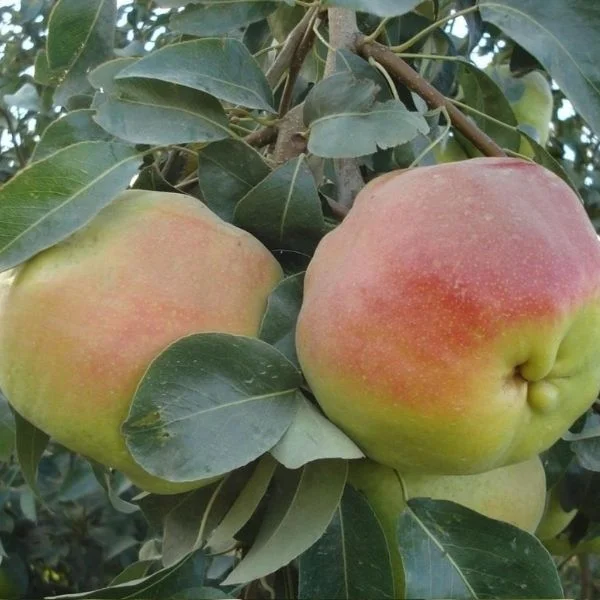
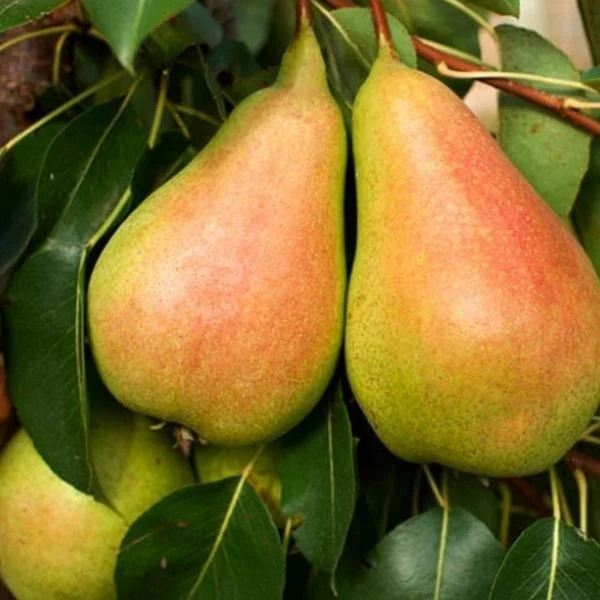
The Kızılkestane chestnut sapling is a local chestnut type used in chestnut cultivation in Türkiye.
The Kızılkestane chestnut sapling is a local chestnut type used in chestnut cultivation in Türkiye. It is typically produced as a grafted sapling, which provides more predictable growth patterns and consistent fruit characteristics—important factors for long-term orchard planning.
Chestnut cultivation requires careful evaluation of climate and soil conditions. When suitable conditions are provided, the Kızılkestane chestnut sapling shows regular and healthy development.
What Is a Kızılkestane Chestnut Sapling?
The Kızılkestane chestnut sapling is produced by grafting a selected local chestnut type onto appropriate rootstocks. Grafting ensures balanced tree growth and more consistent fruit characteristics compared to seed-grown chestnut saplings.
Chestnut trees generally prefer cool and humid climates. The Kızılkestane chestnut sapling follows this general requirement and performs best in regions without extreme heat or prolonged drought.
General Characteristics of Kızılkestane Chestnut Saplings
Key characteristics of the Kızılkestane chestnut sapling include:
• Produced as a grafted chestnut sapling
• Based on local chestnut types
• Strong and regular tree growth
• Ability to form a healthy canopy under suitable conditions
• Long-lived fruit tree species
These characteristics make Kızılkestane chestnut saplings suitable for establishing chestnut orchards.
Suitable Regions for Kızılkestane Chestnut Saplings
Kızılkestane chestnut saplings perform best in regions such as the Black Sea, Marmara, and suitable microclimates of the Aegean, where summers are not excessively hot and humidity levels are relatively high.
Before planting, growers should consider:
• Average annual temperatures
• Summer drought conditions
• Soil structure and drainage
Planting and Growing Conditions
Planting is typically done during the dormant season. Proper soil preparation and careful handling of the root system are essential.
During the early years:
• Soil moisture should be maintained at balanced levels
• Irrigation may be required during prolonged dry periods
• Weed control around the sapling is important
Chestnut saplings grow best in deep, well-drained soils rich in organic matter.
Who Is the Kızılkestane Chestnut Sapling Suitable For?
The Kızılkestane chestnut sapling is suitable for:
• Growers planning to establish chestnut orchards
• Producers who prefer grafted chestnut saplings
• Regions with suitable climatic conditions for chestnut cultivation
Frequently Asked Questions
Is the Kızılkestane chestnut sapling grafted?
Yes, Kızılkestane chestnut saplings are produced as grafted saplings.
Can Kızılkestane chestnut saplings be grown in all regions?
No. Cool and humid climates are more suitable.
When should Kızılkestane chestnut saplings be planted?
Planting is usually done during the dormant season.