
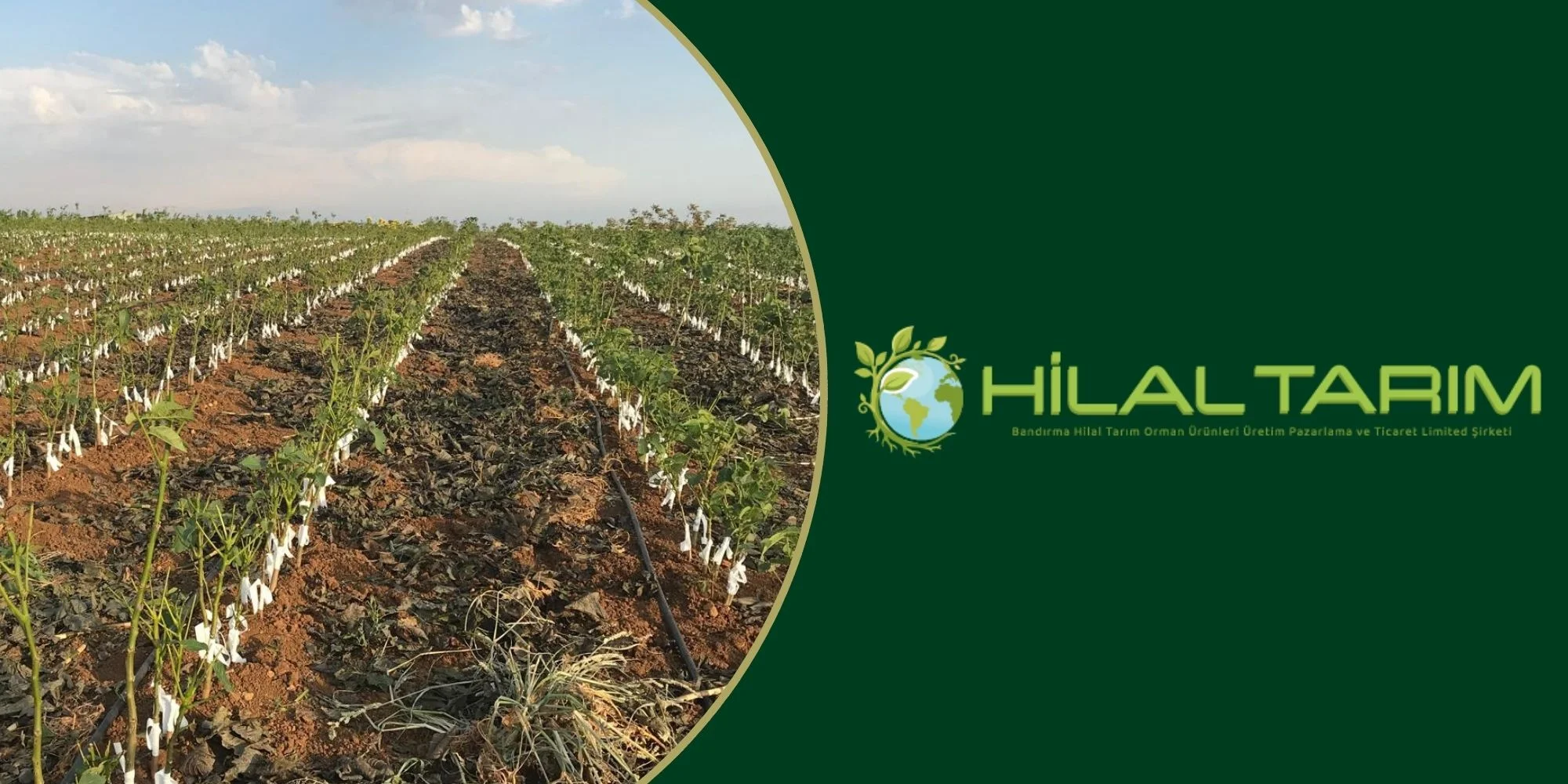
Grafted Walnut Saplings
13 Ocak 2026Grafted walnut saplings are produced by grafting selected walnut varieties with proven yield and nut quality onto strong rootstocks. These saplings are widely preferred in modern walnut cultivation due to their reliability, early fruiting, and consistent orchard performance. For commercial walnut growers, grafted saplings represent a secure and long-term investment.
The grafting process combines the advantages of two plant parts. The rootstock provides a strong and resilient root system, while the grafted variety determines nut quality, size, and yield characteristics. In contrast, non-grafted walnut saplings have unpredictable genetic traits, which can result in inconsistent nut quality and uneven productivity across an orchard.
One of the most significant advantages of grafted walnut saplings is early fruit production. Grafted trees typically begin producing walnuts within 4 to 6 years after planting, whereas non-grafted trees may take much longer. This early productivity shortens the return-on-investment period and makes grafted saplings especially attractive for commercial orchard projects.
Another key benefit is variety assurance. With grafted and certified walnut saplings, growers know exactly which variety they are planting. This allows for better orchard planning and uniform tree development. Orchards established with a single grafted variety tend to have synchronized growth, harvest timing, and nut quality, which simplifies management and marketing.
When selecting grafted walnut saplings, certification is an important factor. Certified saplings are produced under official agricultural supervision and meet standards for plant health and variety authenticity. A healthy grafted sapling should have a strong, well-developed root system, a straight trunk, and a clearly visible, well-healed graft union.
Proper planting and care are essential for the success of grafted walnut saplings. During planting, the graft union should remain above soil level to prevent rootstock dominance. Regular irrigation, weed control, and balanced nutrition are particularly important during the early years. Pruning practices should begin with formative pruning to establish a strong tree structure and continue with productivity pruning in later years.
Under suitable soil and climate conditions, grafted walnut saplings can produce high-quality walnuts for many years. Selecting the right variety, providing consistent care, and using healthy planting material greatly enhance orchard productivity and longevity.
In conclusion, grafted walnut saplings offer a reliable solution for growers seeking early yield, uniform quality, and predictable performance. Establishing walnut orchards with certified grafted saplings is one of the most effective ways to achieve sustainable and profitable walnut production.