
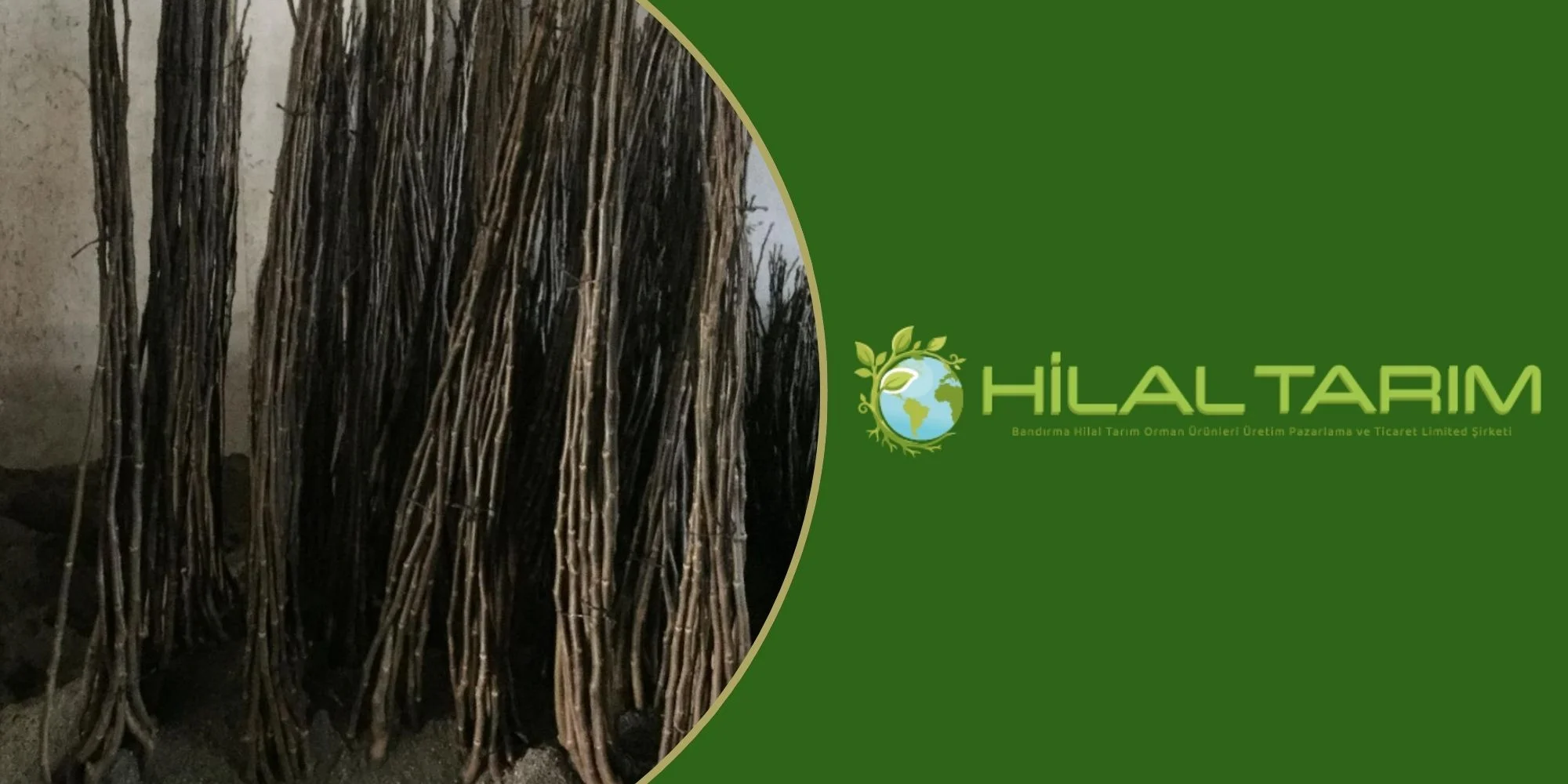
Walnut Sapling Sales
01 Nisan 2026Walnut sapling sales have increased significantly in recent years due to the growing demand for walnuts and rising interest in agricultural investments. However, the success of walnut cultivation largely depends on purchasing healthy and suitable saplings from reliable suppliers. Choosing low-quality or unsuitable saplings may result in poor yields and long-term financial losses.
One of the most important factors in walnut sapling sales is whether the saplings are certified. Certified walnut saplings are produced under official agricultural regulations and are inspected for variety accuracy, health, and quality. These saplings offer a higher level of reliability, especially for commercial walnut orchard projects. Certification ensures that growers receive true-to-type and disease-free planting material.
Most walnut saplings offered for sale are grafted, as grafted saplings provide earlier fruit production and more consistent nut quality. Non-grafted saplings may take longer to bear fruit and often produce unpredictable results. For this reason, professional walnut growers generally prefer grafted walnut saplings when establishing new orchards.
Climate and regional suitability play a crucial role in walnut sapling sales. Not all walnut varieties adapt well to every climate. Factors such as winter chilling requirements, late spring frost risk, and altitude must be considered before making a purchase. Reputable walnut sapling suppliers guide customers in selecting varieties that are best suited to their local conditions.
The root system and overall health of a walnut sapling are also key indicators of quality. Healthy saplings should have strong, well-developed roots, a straight trunk, and a clearly visible graft union. There should be no signs of disease, pest damage, or dehydration. Bare-root walnut saplings are typically sold during the dormant season, while container-grown saplings can be sold and planted throughout much of the year.
Another important aspect of walnut sapling sales is transportation and delivery. Saplings must be carefully packaged to prevent root damage and moisture loss during shipment. Professional suppliers use appropriate packaging techniques to ensure that saplings arrive in optimal condition and are ready for planting.
In conclusion, walnut sapling sales represent the starting point of a long-term agricultural investment. Purchasing certified, grafted, and regionally suitable walnut saplings from trusted suppliers greatly increases the chances of establishing a productive and profitable walnut orchard. With the right saplings and proper management, walnut cultivation can provide sustainable income for many years.